


By Lorris Chevalier
The wolf, a figure both feared and admired, occupies a prominent place in medieval Latin proverbs. These sayings encapsulate not only observations of nature but also profound insights into human behaviour, morality, and society.
1. Be in harmony with the wolves you wish to keep company with.
Be in tune with the wolves you want to be with. — This proverb advises prudence in choosing one’s companions. To associate with fierce or dangerous individuals (“wolves”), one must be compatible with their nature. It is a cautionary reminder of the influence of company on character.
2. The hardened wolf will be disturbed by the crow.
The wolf will be disturbed by the cornice. — Even the most seasoned and experienced can be unsettled by minor irritations. The wolf, a symbol of strength and cunning, may still be thrown off balance by something as small as a crow’s call, reminding us of the vulnerability inherent even in the mighty.
3. While the dog barked, the wolf retreated to the woods.
While the dog barked, the wolf retreated to the woods. — This saying reflects on opportunism and caution. When the guard (the dog) raises an alarm, the wolf wisely withdraws. It may also metaphorically suggest how predators or threats lie in wait for moments of weakness.
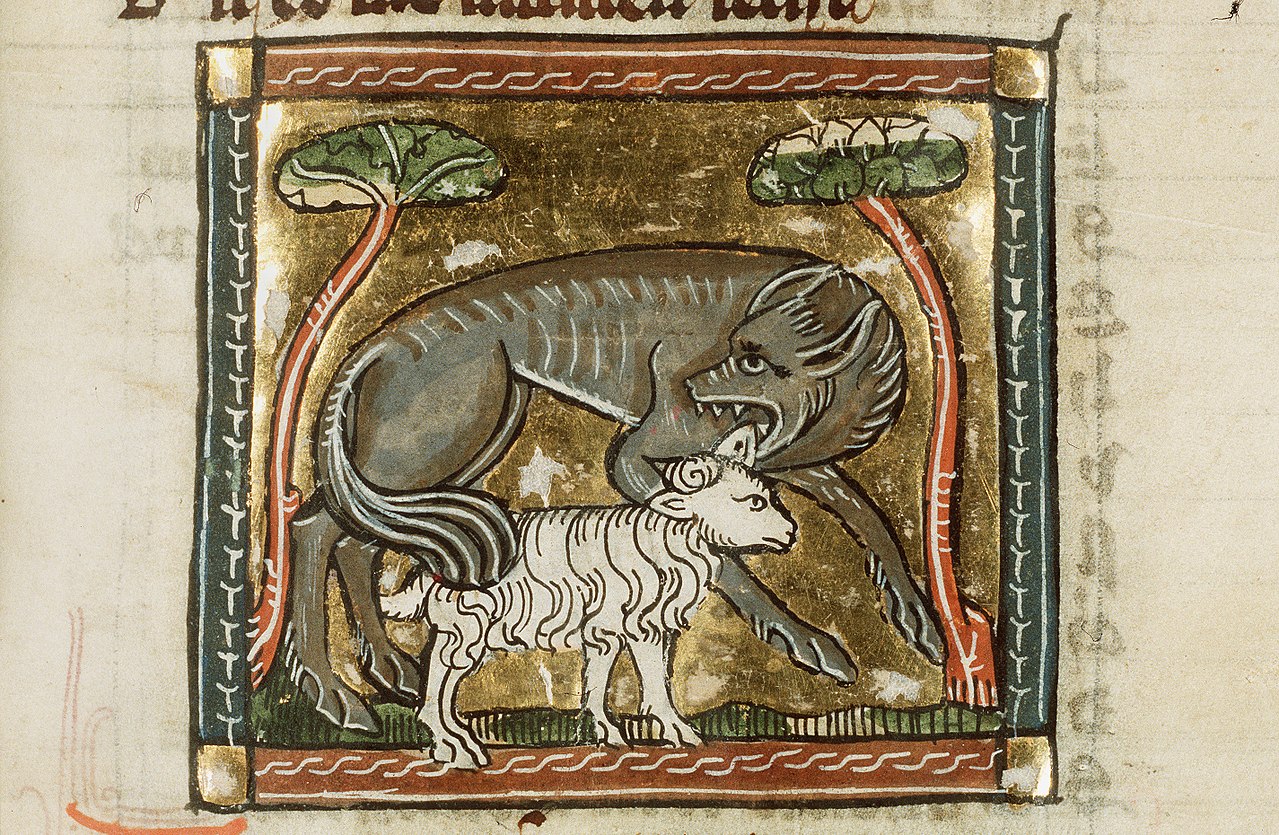
4. While the wolf is taught to believe in a great divine power, its gaze is always directed towards the lamb.
While the wolf is instructed to believe in a great god, his eye is always directed with respect to the lamb. — This profound proverb contrasts spiritual or intellectual training with primal instinct. Despite any teachings or beliefs, the wolf’s attention remains fixed on its prey, highlighting the persistence of natural inclinations.
5. The wolf often snatches away from the counted lambs.
The wolf often rescues from the lambs counted. — Even when the flock is carefully guarded and counted, the wolf frequently steals away its victims. This warns of hidden dangers and the inevitability of loss despite precautions.
6. The flock always strays where the cruel wolf rules.
The herd always goes astray, where the fierce wolf rules. — This proverb speaks to the chaos and vulnerability under harsh or cruel leadership. The “cruel wolf” ruling the “kingdom” causes the flock to wander aimlessly, symbolising societal disorder.
7. It is not the wolf that pursues, but turns his mind toward the lamb.
Not the wolf to study, but turns his mind to the lamb. — This indicates that while the wolf may not be actively chasing, its thoughts and desires remain focused on the lamb. It emphasises the power of intent and thought over action.
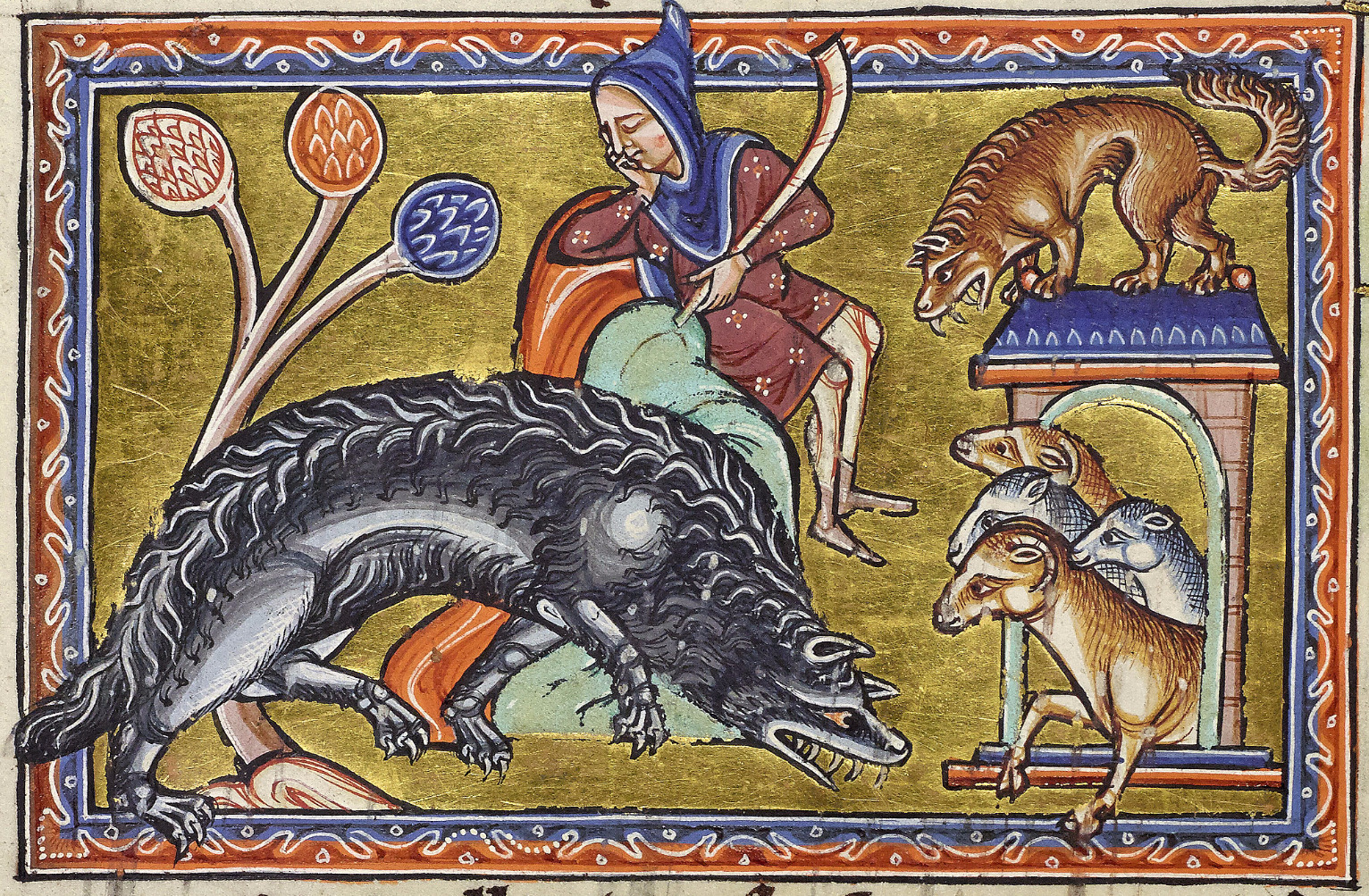
8. When the dog barks, the sly wolf hides its ears.
When the dog barks, the wolf shrewdly hides his ears. — A metaphor for cunning avoidance, this saying describes how the wolf evades danger by pretending not to hear the alarm. It can be seen as a critique of those who avoid responsibility or ignore warnings.
9. Often the powerful oppress the just as the swift wolf oppresses the lamb.
Often the powerful one presses just like a swift wolf on a lamb. — This is a poignant reflection on injustice, likening the oppression of the righteous by the powerful to the natural predation of the wolf on the lamb.
10. If the wolf is a lamb, it is no great wonder.
If the wolf is a lamb, it is not a great wonder. — This paradoxical proverb suggests that if something feared or powerful becomes harmless, it is unsurprising. It speaks to the loss of threat or strength.
11. Under a weak shepherd, the wolf defecates the wool of the lamb.
Under the soft shepherd the wolf sheds the wool of the lamb. — A blunt metaphor warning against weak leadership. When the shepherd is soft, predators (wolves) spoil what should be protected, symbolising harm under ineffective governance.
12. The fox desires deceit, the wolf the lamb, the woman praise.
A fox wants deceit, a wolf a lamb, a woman praise. — This proverb contrasts natural desires: cunning for the fox, prey for the wolf, and praise for the woman.
Dr Lorris Chevalier, who has a Ph.D. in medieval literature, is a historical advisor for movies, including The Last Duel and Napoleon. Click here to view his website.
Click here to read more from Lorris Chevalier
Further Readings:
Werner, Jacob. Latin proverbs and sayings of the Middle Ages, collected from manuscripts. 1912.
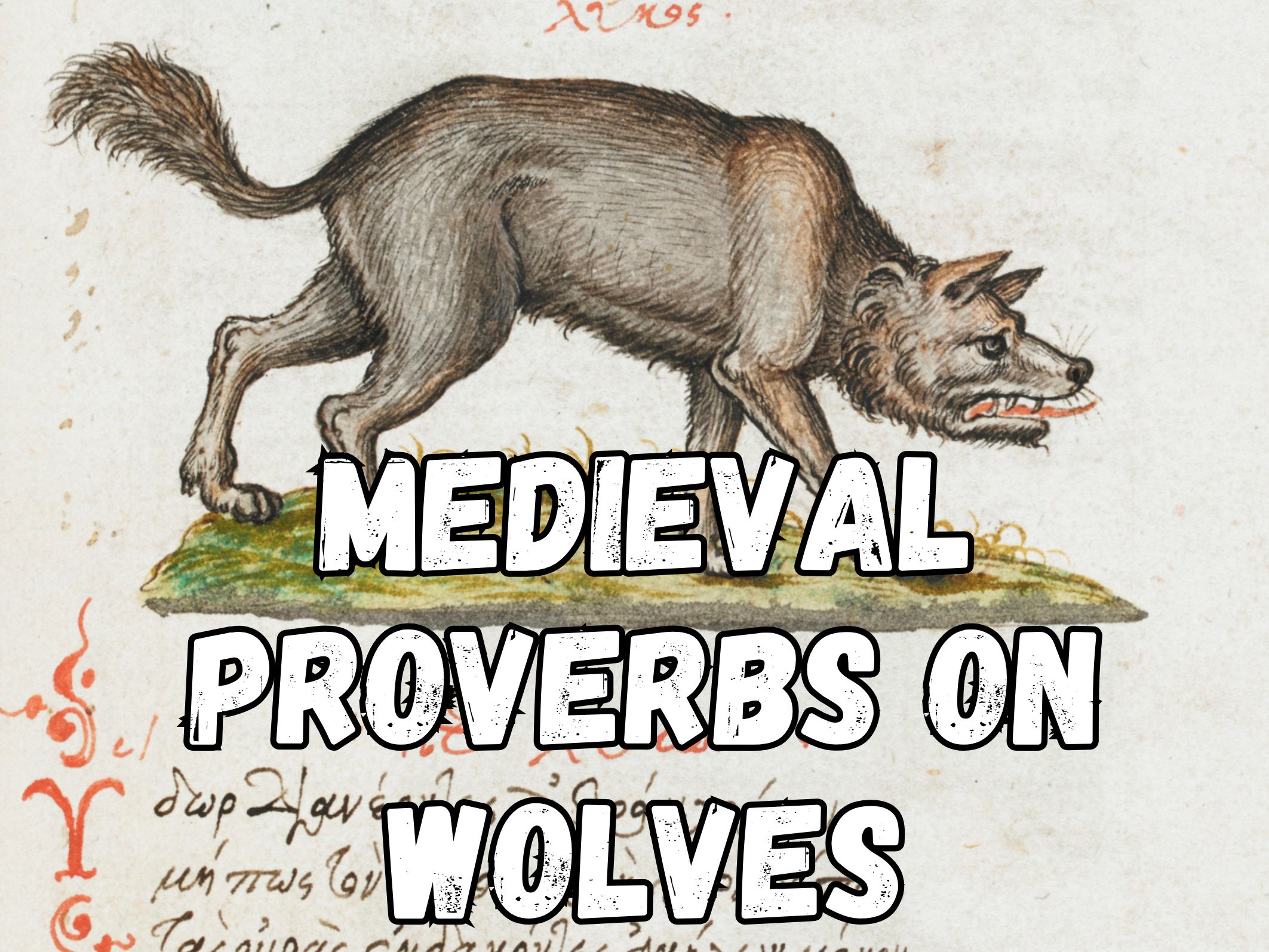
Top Image: A 16th-century depiction of a wolf – British Library MS Burney 97 fol. 20

