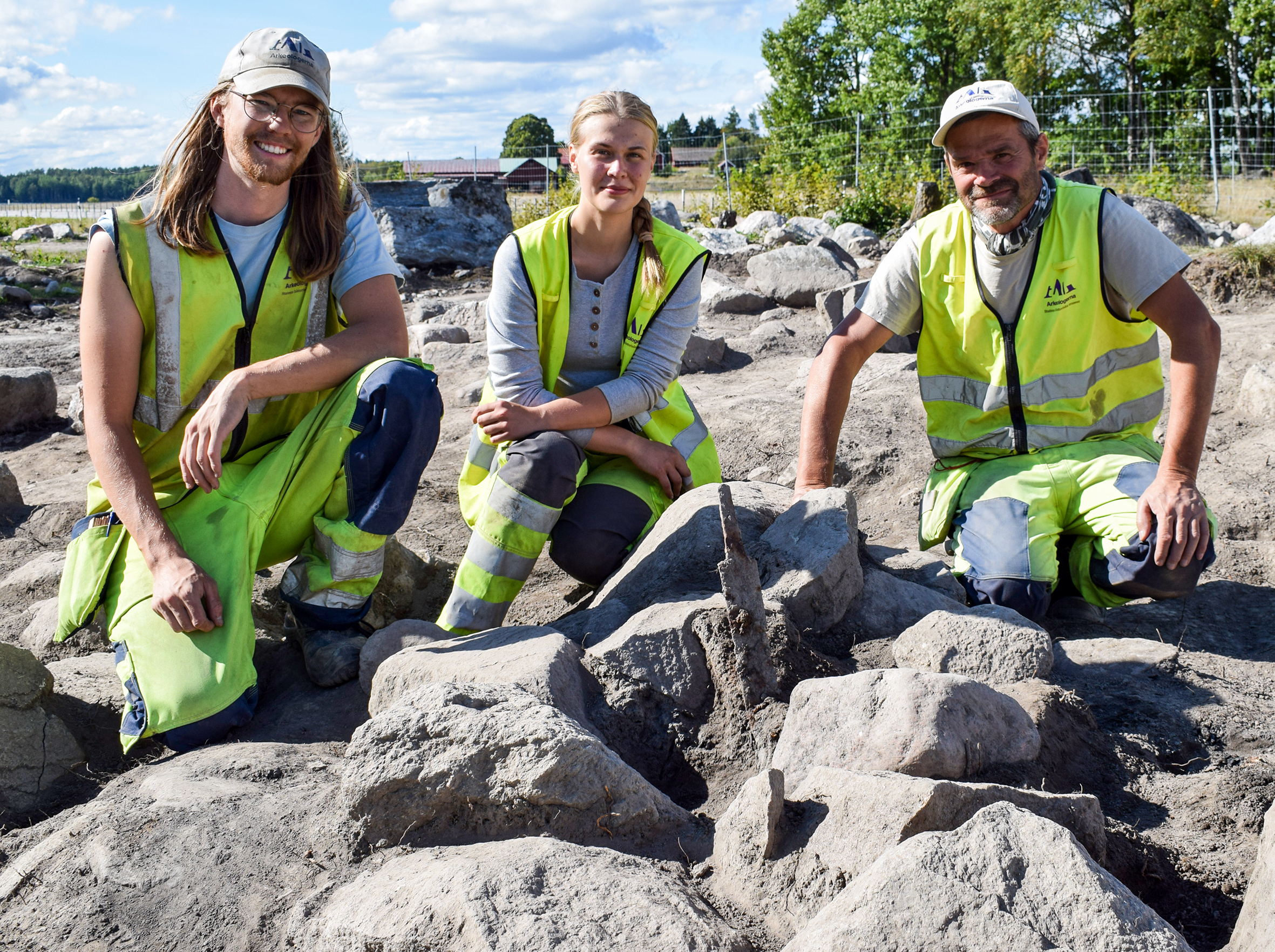


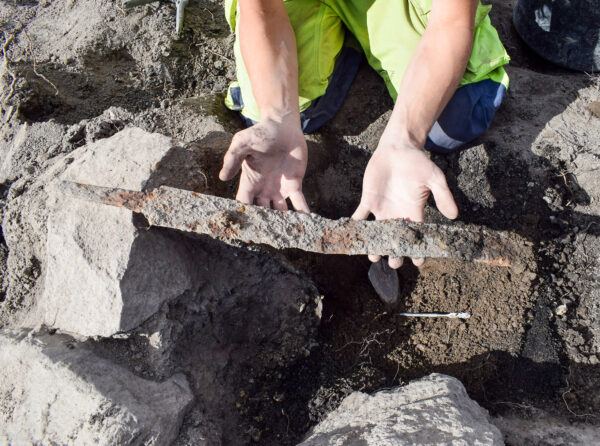
Archaeologists in Sweden have uncovered remarkable Viking Age finds during excavations along the E18 highway in the central region Västmanland, revealing new insights into how people lived, died, and honoured their dead more than a thousand years ago. Among the discoveries are standing swords in graves, ornate horse equipment, and burial sites that shed light on changing beliefs and social structures across generations.
The investigations, carried out between 2021 and 2022 by The archaeologistscovered nine different sites during the highway’s conversion between the towns of Köping and Västerås. The results, according to project manager Fredrik Larsson, exceeded all expectations.
“The locations are exciting, but the whole is the most interesting thing,” says Larsson. “We have a long cross-section through several villages at the same time, which gives us the opportunity to understand how society and the landscape have changed over generations.”
Burials for the Elite
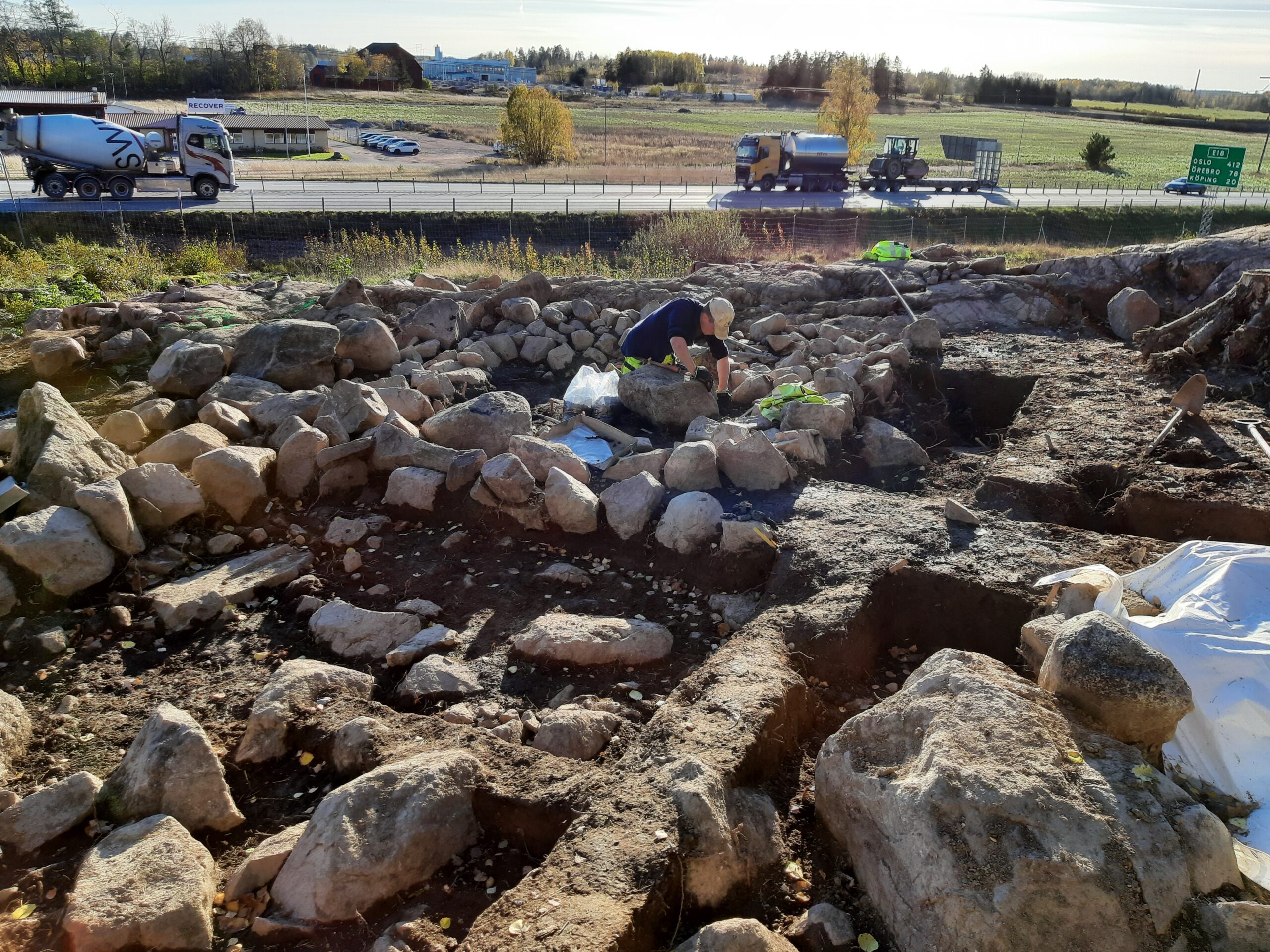
One of the most striking discoveries came from Rallsta near Hallstahammar, where archaeologists found a cremation site reshaped from a small mountain into two large pyres visible from afar. The site likely served as the final resting place for a chieftain or other prominent individuals.
Elsewhere, at Viby/Norrtuna in Munktorp parish, Viking Age stone settings were found built into an older Vendel-period burial mound—creating a rare and layered monument. Within the graves, archaeologists discovered swords and evidence of a high-status group.
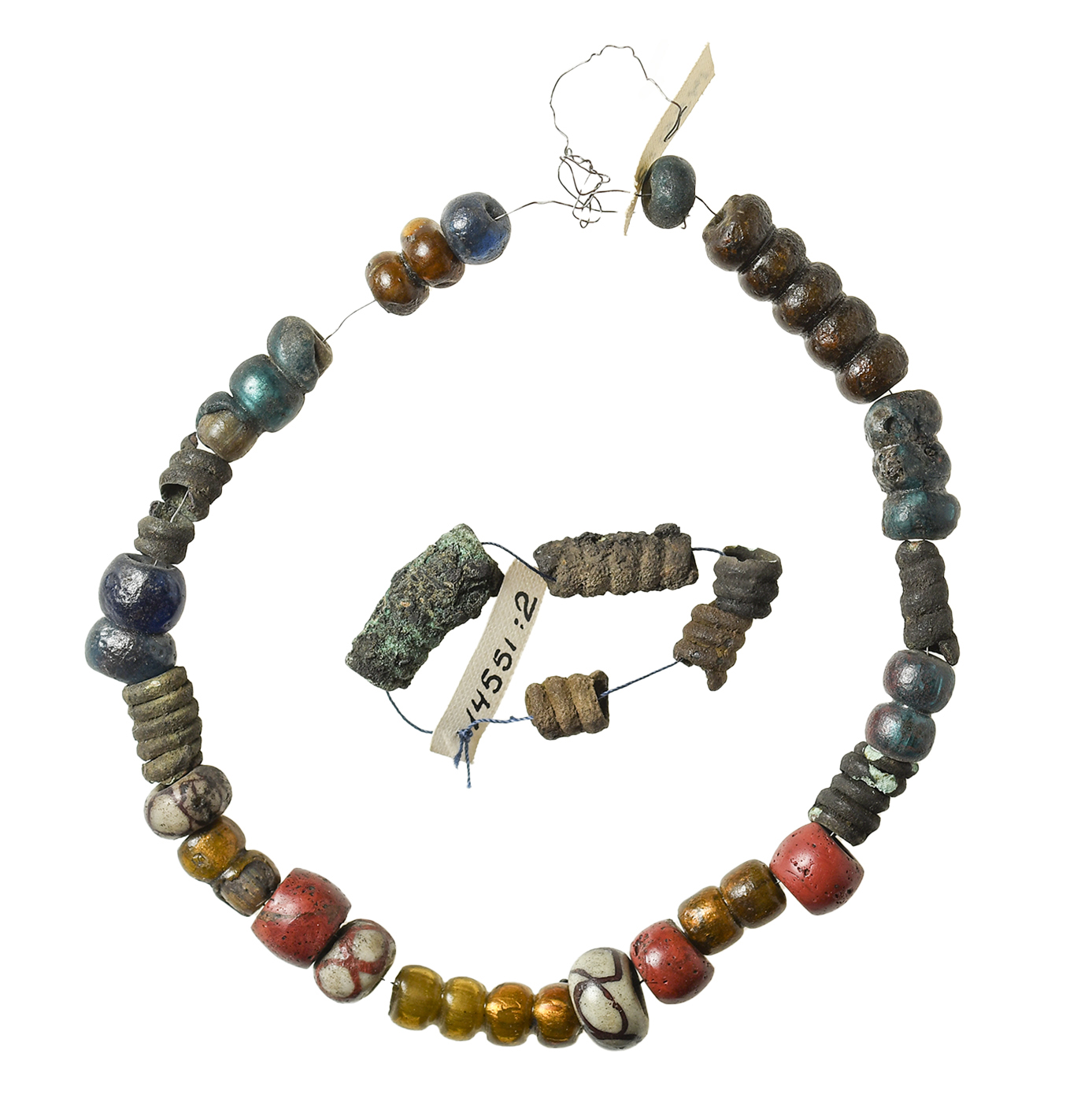
“It is probably a special armed group in society that was buried here,” explains Larsson. “It could also be about kinship—that we are seeing part of a dynasty. There are only a handful of places like this in Sweden, so it is very unusual.”
One particularly intriguing grave contained both a man and a woman, though their relationship remains uncertain. “If they both belonged to a specific armed group or if one of them was sacrificed in connection with the burial, we cannot yet say,” Larsson adds.
Horses, Bells, and Local Identity
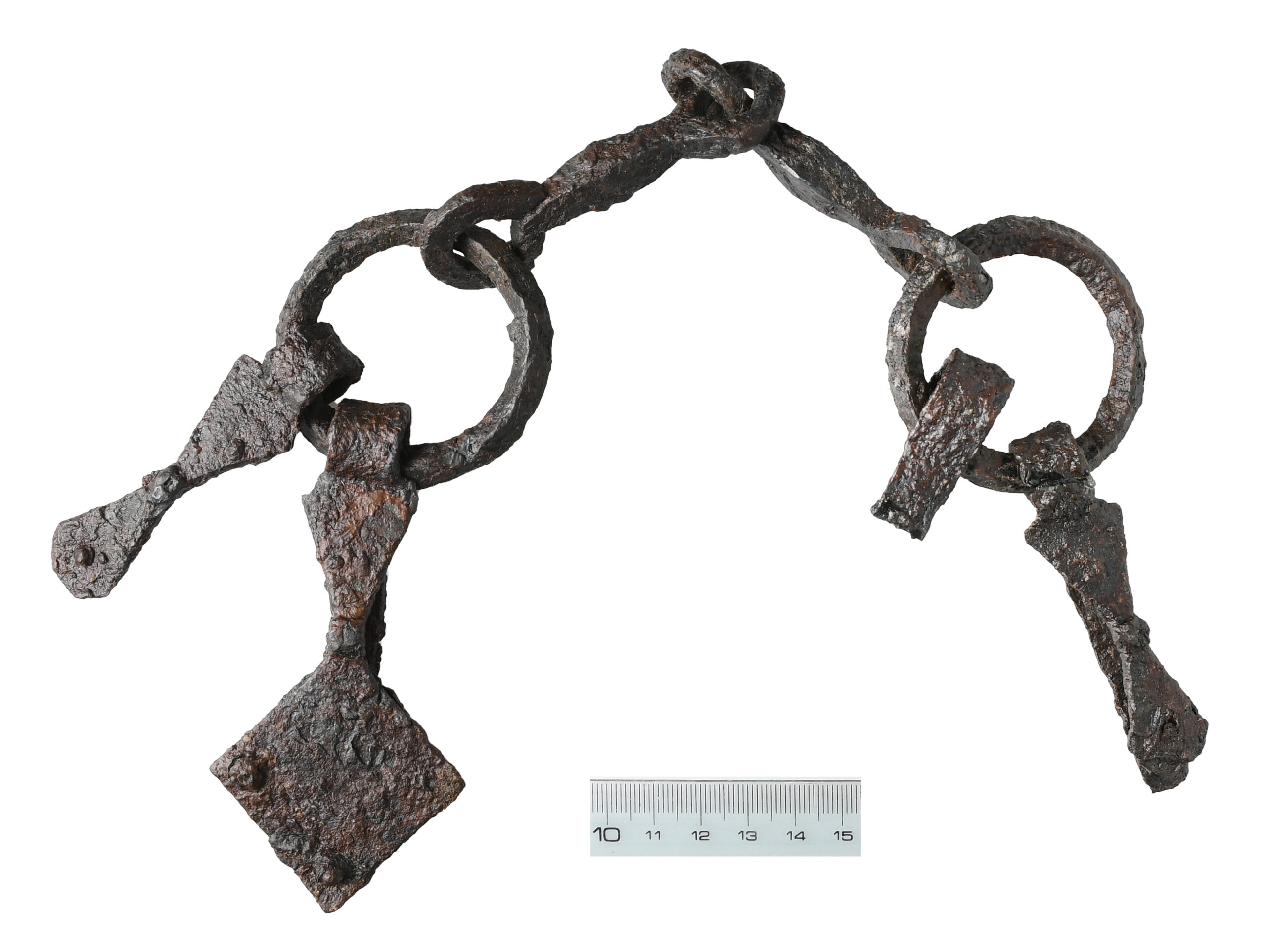
In Sylta outside Köping, researchers uncovered a burial ground used from the 9th century to around 1200—an unusually long span that overlapped the conversion to Christianity in Scandinavia. While most people of the 12th and 13th centuries were buried near churches, the community at Sylta continued traditional practices beside their farms.
Among nearly thirty 11th-century graves, archaeologists found cremated horses buried alongside their owners, complete with elaborate bridles and decorations.
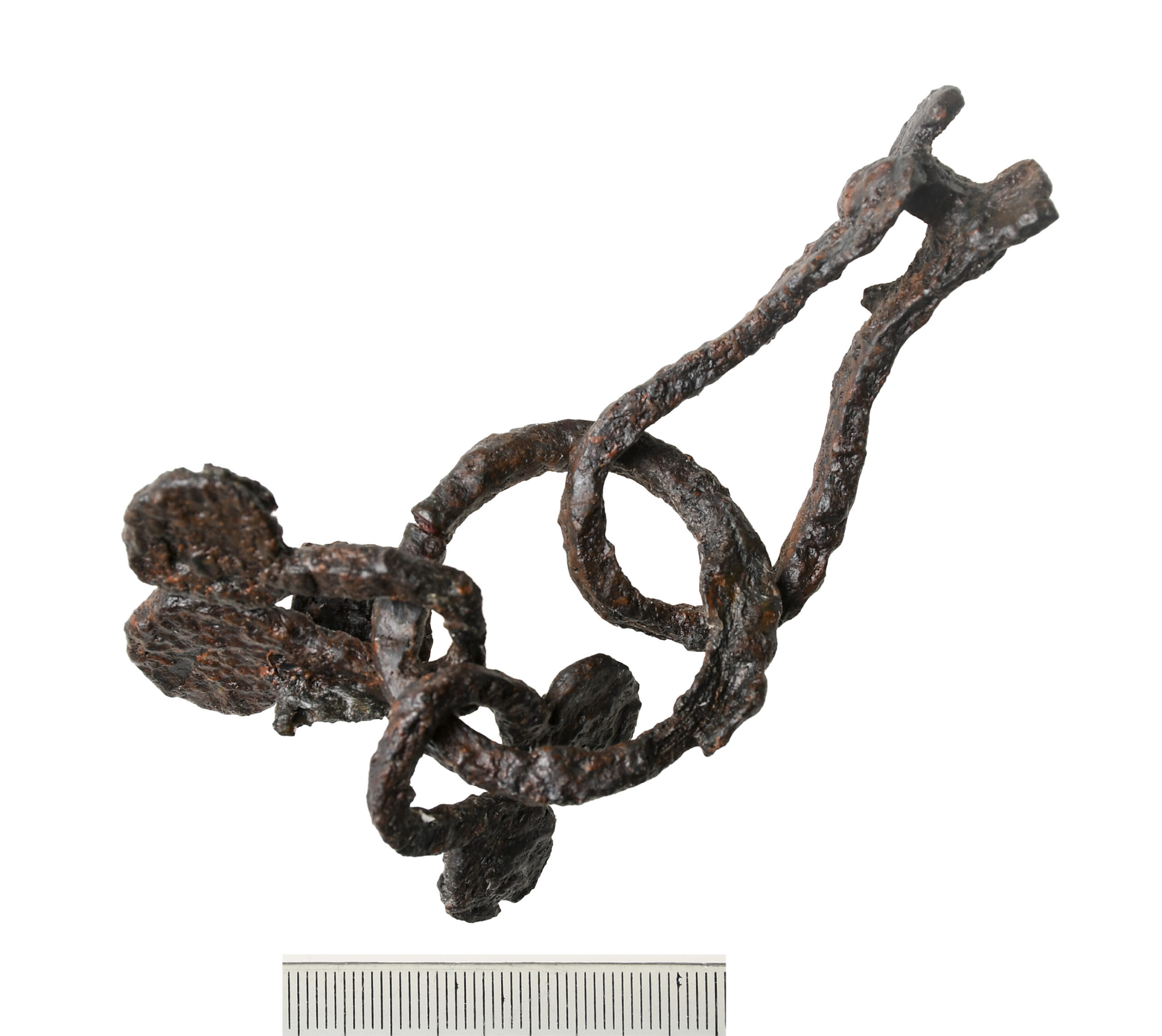
“They are found in both male and female graves and are very rich and well-preserved,” says Larsson. “One can wonder whether the horse equipment functioned as a kind of local costume, because the horses also had their own equipment. This includes pendants with many different shapes and many bells, so that the horses and riders could both be seen and heard.”
Expanding the Story of the Viking Age
The excavations not only uncovered weapons and jewellery but also evidence of daily life—farming, bread baking, and ironworking—offering a fuller picture of the region’s Viking Age society. All the findings are detailed in the newly released book People, meetings and memories
– archeology along the E18 in Västmanland. Click here to read it.