


Getting your audio player ready…
Around the world, women consistently outlive men by several years, a pattern that has puzzled scientists for decades. Now, groundbreaking research from the Max Planck Institute for Evolutionary Anthropology has revealed that this female longevity advantage extends far beyond humans and is deeply rooted in evolutionary biology. The comprehensive study, published in Science Advancesanalyzed lifespan data from over 1,176 bird and mammal species to uncover the evolutionary origins of sex differences in aging.
The international research team, led by Johanna Stärk, conducted the most comprehensive analysis of sex differences in lifespan across mammals and birds to date. Their findings provide novel insight into one of biology’s long-standing puzzles: why males and females age differently across species. The study reveals that in 72 percent of mammal species, females live longer than males by an average of 12-13 percent, while in birds, the pattern reverses with males outliving females in 68 percent of species by approximately 5 percent.
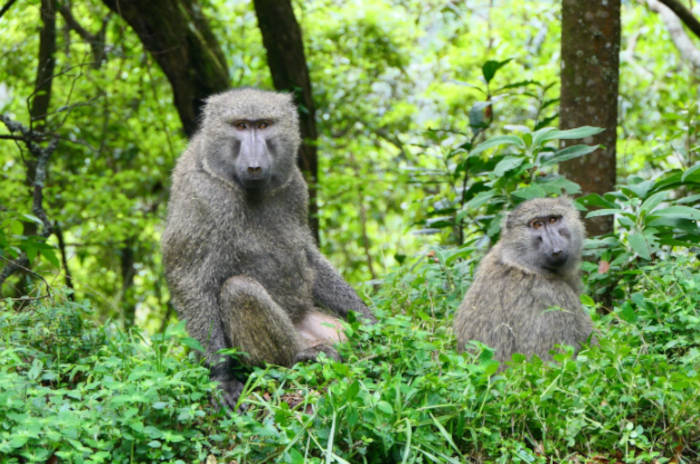
Male and female olive baboon (Papio anubis) in Bwindi Impenetrable Forest. (© Martha Robbins/MPG)
Sex Chromosomes Hold Evolutionary Clues
The research strongly supports the heterogametic sex hypothesis, which suggests that having different sex chromosomes incurs a survival cost. In mammals, females possess two X chromosomes, providing a protective backup against harmful mutations, while males have only one X and one Y chromosome. This genetic difference appears to confer a significant survival advantage to females across mammalian species.
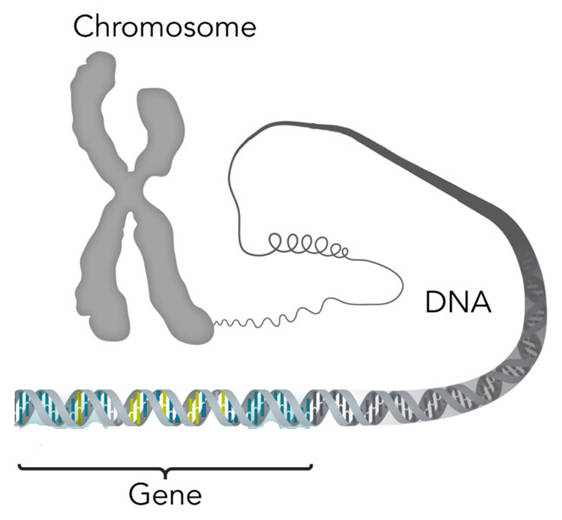
Chromosome structure showing DNA organization. (Thomas Splettstoesser/CC BY-SA 4.0)
Conversely, in birds, the sex chromosome system is reversed: females are the heterogametic sex with Z and W chromosomes, while males have two Z chromosomes. This reversal perfectly explains why male birds tend to live longer than females, providing compelling evidence for the chromosomal theory of longevity differences. However, the researchers found notable exceptions that pointed to additional evolutionary factors at play.
Team member Fernando Colchero noted the remarkable variation in the data, stating that “some species showed the opposite of the expected pattern.” For instance, in many birds of prey, females are both larger and longer-lived than males, suggesting that sex chromosomes are only part of the evolutionary story behind longevity differences.
Sexual Selection Shapes Survival Strategies
Beyond chromosomal differences, the study revealed that mating systems and sexual selection play crucial roles in determining lifespan differences between sexes. In polygamous mammals with intense male competition—such as baboons, gorillas, and chimpanzees—males generally die earlier than females due to the costs of competitive behaviors.
Through sexual selection, males develop conspicuous characteristics such as colorful plumage, weapons, or large body size to increase reproductive success, but these traits come at a survival cost. The energy invested in these competitive advantages leaves fewer resources available for long-term survival and maintenance. This pattern explains why the differences were smallest in monogamous species, while polygamy and pronounced size differences were associated with more pronounced female advantages.
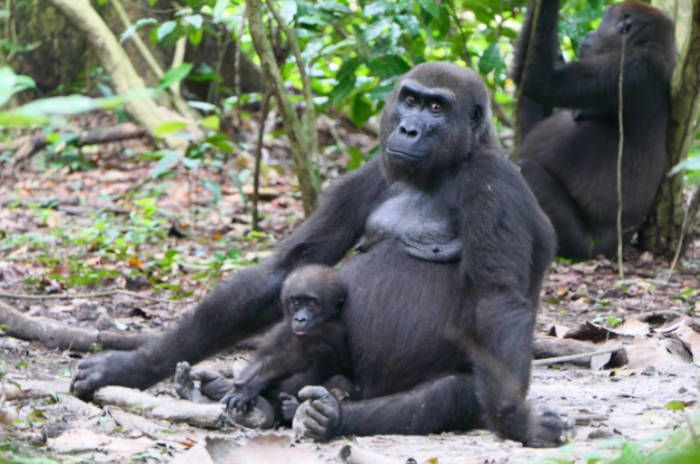
Ambia and Malumbi – Western lowland gorilla (Gorilla gorilla gorilla) in Loango National Park. (© Martha Robbins/MPG)
Parental Investment and Modern Implications
The research also uncovered evidence that the sex investing more in offspring care tends to live longer. In mammals, this is typically the female, and in long-lived species like primates, this represents a clear evolutionary advantage. Females who survive until their offspring reach sexual maturity contribute more effectively to the continuation of their genetic line.
Interestingly, when the researchers examined zoo populations – where environmental pressures like predation and disease are minimized – the lifespan gaps persisted but were often reduced. This mirrors the human condition, where advances in medicine and living conditions have narrowed but not eliminated the longevity gap between men and women. The findings suggest that these differences are not merely products of environment but are fundamentally embedded in our evolutionary history.
The study’s implications extend beyond academic interest, providing insights that could inform medical research and healthcare strategies. Understanding the evolutionary basis of sex differences in aging may help develop more targeted approaches to extending healthy lifespan for both sexes, while recognizing that some differences may be an inherent part of our biological heritage.
As co-author Nicole Riddle explained, the costs associated with traits favored by sexual selection mean that individuals have fewer resources available to invest in their own long-term survival. This evolutionary trade-off between reproduction and longevity appears to be a fundamental principle governing lifespan differences across species, from ancient humans to modern populations.
Top image: Happy senior couple hiking with trekking sticks and backpacks at the young pine forest. Enjoying nature, having a good time on their retirement. Source: rh2010/Adobe Stock
By Gary Manners
References
Colchero, F. et al. 2025. Sexual selection drives sex difference in adult life expectancy across mammals and birds. Available at: https://www.eva.mpg.de/press/news/article/why-women-live-longer-than-men-evolutionary-insights-on-longevity/
Starch, J. et al. 2025. Tracing the evolutionary roots of why women live longer than men. Available at: https://phys.org/news/2025-09-evolutionary-roots-women-longer-men.html
Swift, L. 2025. Evolution may explain why women live longer than men. Available at: https://www.newscientist.com/article/2498396-evolution-may-explain-why-women-live-longer-than-men/

